Introduction
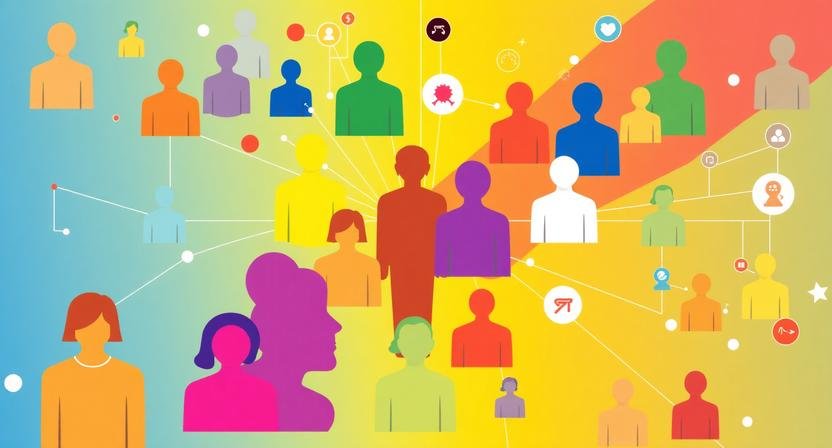
AI Market Segmentation identifies the customer segments generating the highest ROI for entrepreneurs. Traditional methods—surveys, spreadsheets, or focus groups—take weeks and often miss actionable behavioral patterns that actually drive conversions. For example, a 7-person SaaS team using AI to combine CRM and website analytics can identify the top 3 segments driving 2.5x higher lifetime value, without adding staff.
In practice, small teams (3–50 people) scaling a B2B SaaS product benefit most from AI segmentation. Overly granular clusters—such as segmenting by every engagement metric simultaneously—led one startup to waste 20% of ad spend in early tests. Starting with 3–5 actionable segments and validating with live campaigns avoids this trap.
Explore the Top 10 AI Tools for Productivity & Market Analysis to accelerate your segmentation workflow.
1. Why AI Market Segmentation Works
AI adds value in three specific ways:
- Data Integration at Scale: AI can merge CRM data, website analytics, purchase history, social signals, and third-party datasets in minutes—tasks that would take human teams weeks.
- Pattern Detection Beyond Intuition: Machine learning models uncover correlations humans might miss. For instance, an AI might detect that users who engage with Instagram Reels in the evenings have 35% higher conversion potential for a particular product.
- Dynamic Segmentation: Markets are fluid. AI models can refresh clusters weekly or even daily, flagging shifts in customer behavior that traditional segmentation would miss.
Tradeoff: The more granular your segments, the harder it is to execute campaigns. For small teams, focus on 3–5 actionable segments initially.
2. Step-by-Step Implementation for Entrepreneurs
Scenario: Solo founder selling a B2B SaaS tool to marketing teams.
- Collect & Clean Your Data
- Aggregate CRM, website analytics, and email engagement data.
- Ensure proper anonymization for compliance.
- Remove inactive or incomplete records.
- Choose an AI Tool
- Tools like Segment AI, Hightouch, or HubSpot AI can cluster audiences automatically.
- For open-source options, Python + scikit-learn or PyCaret work well if you have technical capacity.
- Define Business-Actionable Segments
- Combine behavioral patterns (frequency, engagement) with firmographics (company size, industry) for B2B or demographics + lifestyle for B2C.
- Example: “Marketing teams at startups <50 employees who engage with video content 3x/week.”
- Validate Segments
- Test campaigns on a small subset first.
- Measure lift in engagement, CTR, or revenue per segment.
- Adjust clustering parameters if clusters are not actionable.
- Operationalize & Scale
- Integrate segments into CRM or marketing automation.
- Automate recommendations for which segment sees which content/product offer.
- Schedule weekly AI-driven updates.
Common Pitfall: Jumping straight into micro-segmentation without testing campaigns leads to wasted ad spend and fragmented messaging.
3. Contrarian Insights
- Not Always About Size: Large data sets aren’t always better. Small, clean, high-quality datasets often outperform large, messy ones in early-stage segmentation.
- AI Isn’t a Silver Bullet: Segmentation must tie to an execution plan—if campaigns aren’t tailored, AI insights become unused spreadsheets.
- Behavioral Signals Trump Demographics: Customers act based on behavior, not just age or industry. Prioritize actionable behaviors.
4. Measuring Success
KPIs to track:
- Segment-specific conversion rates (early indicator of targeting accuracy)
- Engagement lift (emails, ads, social)
- Revenue per segment
- Retention or churn trends
Micro-case: A 7-person SaaS startup implemented AI segmentation and discovered a small behavioral cohort generating 2.5x higher lifetime value than their largest demographic segment. They reallocated marketing spend accordingly, boosting revenue 18% in 3 months.
5. “If You Do Nothing Else” Insight
Focus on one high-impact, actionable segment first. Build a repeatable AI-powered workflow around it before expanding. This prevents overwhelm and ensures your segmentation translates into revenue.
BranchNova Summary
AI-powered market segmentation lets entrepreneurs identify the segments generating the highest ROI, test campaigns on real customer subsets, and automate weekly updates while manually verifying results. For example, a 7-person SaaS startup can discover a small behavioral cohort delivering 2.5x higher lifetime value than its largest demographic segment. Focusing on actionable segments first ensures marketing resources aren’t wasted on clusters that are impossible to execute.
Discover More Insights
About the Founder
Learn more about our founder, Esa Wroth, and his mission to make AI practical, human-centered, and accessible for entrepreneurs, creators, and professionals.